Aesthetic of Epoxy Resin: Transforming Your Surfaces Shine
Regarding enhancing the beauty and practicality of a space, epoxy flooring stands out as a remarkable option. Known for its durability and versatility, epoxy offers a smooth and lustrous surface that can revolutionize any room, including a garage, basement, or a commercial area. The beauty of epoxy floors lies not just in their shiny finish, but also in the limitless design possibilities they provide. From vibrant colors to unique patterns, epoxy flooring can be adapted to fit the specific look of any environment.
In garages, for example, garage floor epoxy provides a strong solution that endures heavy traffic, oil spills, and numerous dangers. Meanwhile, basement epoxy flooring not only adds a protective layer against moisture and mold but also improves the overall aesthetic of an usually neglected area of the home. As we explore the design elements of epoxy, we will discover how this flooring selection can revitalize your environments and make them truly stand out, blending visual appeal with usefulness in a way that is seldom matched.
What’s Epoxy Flooring
Epoxy flooring is a type of flooring that is made up of a mixture of resin and hardener. When these components are combined, these elements create a chemical process that results in a strong and durable surface. This system of flooring is famous for its high gloss finish, which enhances the overall beauty of any area. The epoxy material is often utilized in various settings, including residential, business, and factory environments, due to its versatility and strength.
One of the primary advantages of epoxy flooring is its ability to withstand heavy traffic and impact. This makes it an ideal choice for locations such as garages and cellars, where durability is crucial. Flake epoxy flooring, , for instance, can handle the weight of vehicles and protect against stains from grease and other substances, ensuring that the floor maintains its integrity over time. The smooth finish of epoxy also reduces the likelihood of fractures and breaks, making it a practical option for high-use areas.
In addition to its practical benefits, this flooring is highly adaptable. It comes in many colors and textures, allowing homeowners and commercial property owners to choose a look that matches their decor style. From metallic finishes to plain colors, the possibilities are endless. This flexibility not only beautifies the environment but also increases the value to the property, making epoxy floors an appealing option for individuals looking to enhance their interiors.
Benefits of Resin Flooring
Epoxy floors are known for their strength and strength, making them an ideal choice for heavy-use areas. The chemical composition of resin creates a highly resilient surface that withstands impacts, abrasions, and heavy loads. This makes resin floors particularly suitable for workshops where vehicles and heavy equipment are commonly used. Homeowners can be assured knowing that their surfaces will maintain their quality and appearance over time.
A notable benefit of resin floors is its effortless maintenance. The flat and sealed surface prevents the accumulation of dirt, dust, and stains, allowing for straightforward cleaning routines. A quick sweep and periodic mop are often sufficient to keep the floors looking pristine. This easy-care feature is particularly attractive for busy families and commercial spaces where cleanliness is important.
Resin floors also offers flexibility in design and appearance. Available in a variety of colors, patterns, and finishes, epoxy floors can improve the aesthetic of any space. From shiny surfaces that reflect light and make areas feel larger to non-slip surfaces that add grip, homeowners and businesses can tailor their surfaces to match their design preferences. The ability to create unique designs adds an touch of sophistication and modernity to basements and other areas where epoxy is used.
Varieties of Epoxy Flooring
As you thinking about resin flooring, it is essential to familiarize yourself with the various types accessible to fulfill your particular needs. A of the most widely-used selections is the workshop surface epoxy. This kind is formulated to withstand heavy foot traffic and withstand stains from oil spills and chemicals. It delivers a durable surface that upgrades the general appearance of your workspace while offering the advantages of simple maintenance and enduring quality.
An additional versatile option is lower-level resin flooring. This type is perfect for spaces prone to dampness since it creates a seamless barrier that assists stop mold and mildew development. With its water-resistant properties, lower-level epoxy surfaces not only protects your foundation but also allows for a bright and neat appearance, changing a historically dark area into an appealing space.
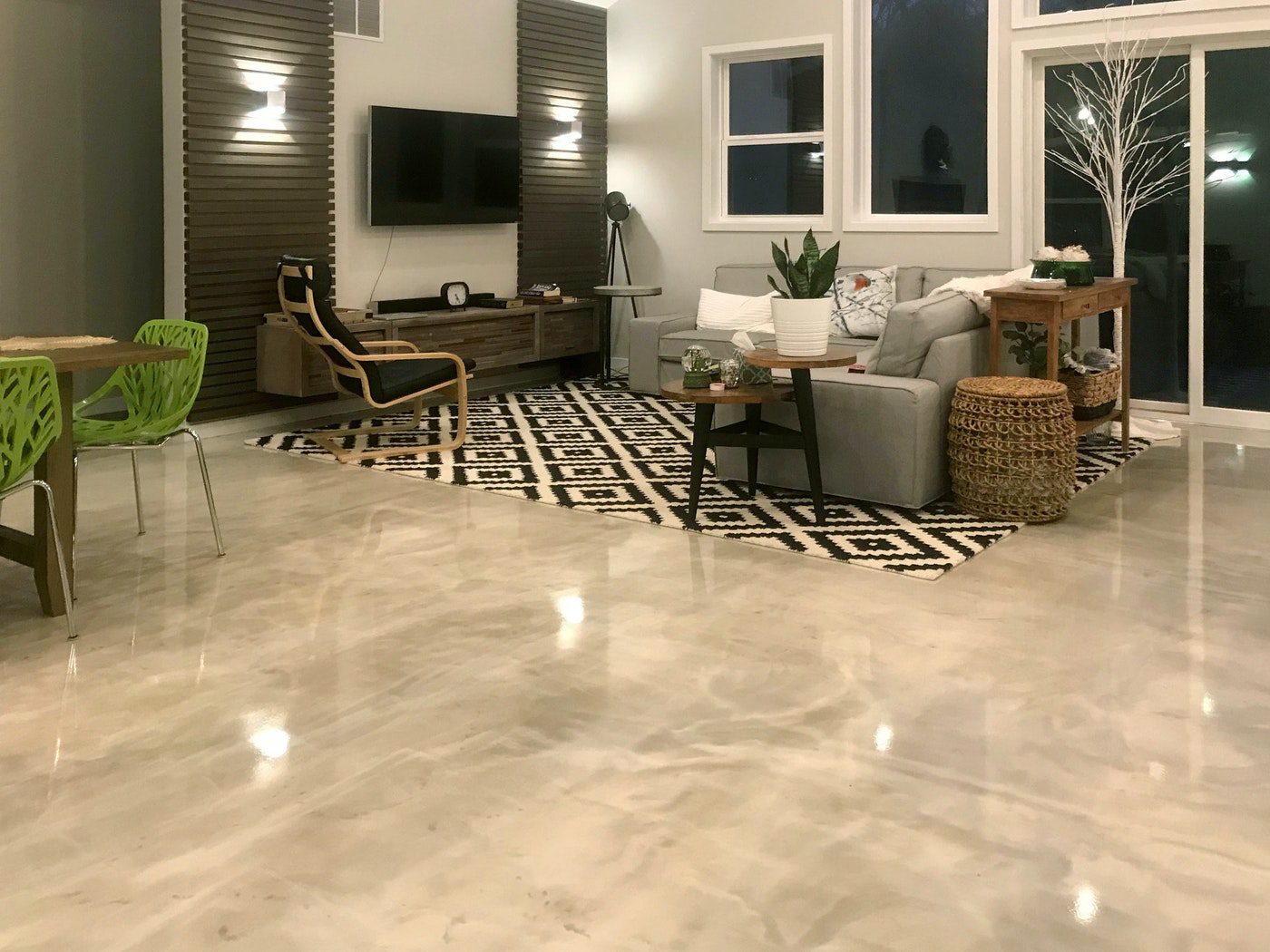
In business spaces, heavy-duty resin flooring is specifically engineered to cater to intense people movement and substantial machinery. This kind of resin surfaces is often employed in storage facilities, factories, and retail spaces due to its strength and slip-resistant properties. With multiple patterns and finishes provided, commercial-grade epoxy flooring can enhance both functionality and appearance in rigorous settings, making it a popular option for company operators.
Procedure for Epoxy Flooring
The procedure for epoxy flooring requires meticulous prepping and detailed attention to ensure a long-lasting and beautiful finish. Initially, Garage floor coating, must be thoroughly cleaned and fixed. This may involve sanding the concrete to get rid of any previous coatings, dirt, or imperfections. For carport floor epoxy, it is crucial to fill in cracks and holes to create a level surface. Humidity levels should also be monitored to ensure adequate adhesion of the epoxy.
Once the surface is ready, a base coat is often applied to improve the bond between the concrete and the epoxy. After the primer dries, the epoxy material is mixed according to the manufacturer's instructions and applied using a squeegee or roller. It is crucial to work in sections and maintain a wet edge to prevent visible seams. For cellar epoxy flooring, ensuring uniform application is vital, as it can enhance the overall appearance and performance of the floor.
After applying the epoxy, the floor should be allowed to harden for the recommended time before applying a topcoat, if wanted. This final layer can add an additional level of durability and aesthetic appeal. Once fully hardened, the epoxy floors will provide a shiny, high-performance surface that is not only visually striking but also resistant to stains, chemicals, and wear, making it an ideal choice for workshops and basements alike.
Recommendations for Epoxy Floors
To keep your epoxy floors looking pristine, regular cleaning is crucial. Start with a simple routine: sweep or vacuum the floor to clear away dirt and debris. Following this, mop the surface with a gentle detergent mixed with water. Avoid harsh chemicals or abrasive tools that could damage the epoxy coating. This cleaning process should be done on a weekly basis to preserve the shine and aesthetic appeal of the floors.
Handling spills immediately is another vital aspect of caring for epoxy floors. Since the surface is impermeable, most liquids can be easily wiped up to prevent stains. For unforeseen stains, such as oil or paint, use a plush cloth or sponge with a mild cleaner to lift the stain. Always check a small area first to make sure that the cleaner does not impact the finish of the epoxy.
Finally, keep an eye on frequented areas where wear is more likely. Consider placing rugs or mats at entrances and heavy-use areas like garage and basement flooring to reduce abrasion. If you see any scratches or dull spots over time, a light buffing with a gentle pad can bring back the floor's shine. Regular inspection and care will confirm that your epoxy floors remain a beautiful and durable part of your space.